Summary:
The 2026 U.S. immigration rules include broader country based travel restrictions, expanded social media screening, changes to affirmative asylum processing, new student admission periods, greater scrutiny of Adjustment Of Status, and shorter EAD validity for several categories. Some rules are already active, while the F, J, and I fixed admission rule is scheduled for September 15, 2026. Courts have also blocked or changed some administration policies. Your nationality, immigration category, filing history, and current status determine which changes affect you.
Immigration policy has moved quickly in 2026. There is no single new immigration law replacing the system. Instead, presidential actions, agency policies, regulations, and court decisions are changing different parts of the immigration journey.
For immigrant families, that can feel exhausting. A policy change can touch your job, education, ability to travel, or time with family. Here are the six changes we believe people in Dallas and nationwide should understand first.
2026 U.S. Immigration Rules: Expanded Travel Restrictions
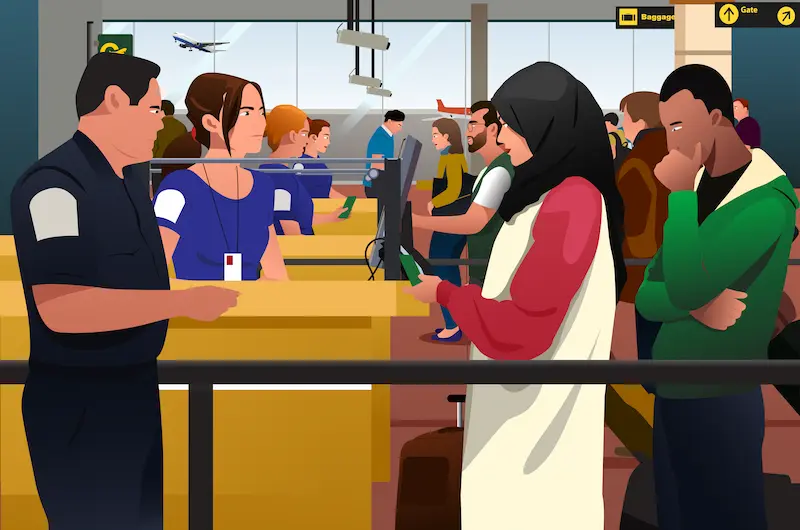
Presidential Proclamation 10998 took effect January 1, 2026. It fully or partially restricts entry and Visa issuance for nationals of 39 countries and certain people applying with Palestinian Authority travel documents. Some exceptions and case-by-case national-interest determinations remain available.
These travel restrictions are separate from the State Department policy that paused immigrant Visa issuance for nationals of 75 countries. A federal judge vacated that separate policy on August 21, 2026, allowing refusals based solely on it to return for individualized review.
2026 Travel Restrictions: Should You Travel Right Now?
If your nationality appears on a restricted-country list, review the proclamation before leaving the United States or attending a Visa interview abroad. People navigating Temporary Visas should also confirm whether their Visa classification is fully restricted, partially restricted, or covered by an exception.
A valid Visa issued before January 1 was not revoked solely because of Proclamation 10998. Still, admission questions can be highly fact-specific.
2026 U.S. Immigration Rules: Social Media Vetting
The State Department expanded online-presence screening for H-1B workers and H-4 dependents beginning December 15, 2025. That review remains active in 2026.
Effective March 30, the government expanded online review to additional classifications, including certain K, R, H-3, T, U, S, Q, A-3, C-3, and G-5 applicants. Covered Visa applicants are instructed to make social media profiles public or open during review.
2026 Social Media Vetting: What Will Officers Review?
Consular officers can use online information as part of broader screening to evaluate Visa eligibility and security concerns. A social media account does not by itself make someone inadmissible.
Before an interview, review your application and online history for inconsistencies. Do not delete, hide, or invent information to make a case look cleaner. Accuracy and honesty remain essential.
2026 U.S. Immigration Rules: Asylum Process Adjustments
A DHS interim rule effective July 28, 2026 allows USCIS to send certain affirmative Asylum applications directly to immigration court without first holding a USCIS Asylum interview.
This does not mean every affirmative Asylum applicant will lose an interview. USCIS still provides interviews before granting or denying Asylum itself. The new rule gives the agency another way to move certain cases into immigration court.
2026 Asylum Changes: Can Your Case Go Directly To Court?
It can in qualifying circumstances. That makes the initial Form I-589 filing even more significant.
Your declaration, supporting evidence, identity records, country condition documentation, and explanation of any filing-delay issue should tell a coherent story from the beginning. Families deserve a fair opportunity to present their fear of persecution, even as the government changes the procedure used to hear those claims.
2026 U.S. Immigration Rules: Student Visa Reforms
DHS published a final rule replacing “duration of status” for F, J, and I nonimmigrants with fixed periods of admission. The rule is scheduled to take effect September 15, 2026.
For many F and J students and exchange visitors, the new Admit Until Date will generally follow the program end date and cannot exceed four years for a single admission period. Students needing additional time may have to request an Extension Of Stay.
2026 Student Visa Rules: Is September 15 Final?
As of August 25, September 15 remains the scheduled effective date. The rule is subject to congressional review, and litigation has also begun.
International students have built lives, degrees, research projects, and careers around long-standing rules. A sudden procedural shift should not catch someone by surprise. Check your I-94, I-20 or DS-2019, program end date, and current agency guidance before traveling or filing an extension.
2026 U.S. Immigration Rules: Adjustment Of Status Limits
USCIS issued Policy Memorandum PM-602-0199 in May 2026, directing officers to apply greater discretionary scrutiny to Adjustment Of Status applications.
The memo describes Adjustment Of Status as discretionary relief that should not replace ordinary consular processing automatically. It does not repeal INA § 245 or prohibit Form I-485 filings. Officers must weigh positive and negative factors and explain discretionary denials.
2026 Adjustment Of Status: Can You Still File Form I-485?
Yes, if you qualify under the law. Eligibility alone, however, may receive closer scrutiny under the new policy.
For people pursuing Employment-Based Permanent Residency, family cases, or another qualifying Green Card pathway, immigration history, lawful entry, maintenance of status, family ties, conduct, and other circumstances may influence USCIS discretion.
If leaving the United States for consular processing could trigger another immigration consequence, do not make that decision based solely on a government headline.
2026 U.S. Immigration Rules: Shorter Work Authorization Validity
USCIS reduced maximum Employment Authorization Document validity from five years to 18 months for several categories beginning December 5, 2025.
Affected groups include refugees, asylees, people granted withholding, applicants with pending Asylum or withholding cases, and many applicants with pending Adjustment Of Status applications. The change applies to qualifying Form I-765 applications pending or filed on or after December 5.
2026 Work Authorization Rules: Does Every EAD Last 18 Months?
No. The 18 month maximum does not apply to every employment-authorization category.
That distinction is important for OPT applicants, certain H-4 spouses, and other categories operating under different validity rules. Check the category code on your EAD rather than assuming a general immigration headline applies to you.
Before filing or traveling in 2026, identify your immigration category, verify when the relevant rule took effect, check whether a court has blocked or changed it, confirm current USCIS or State Department instructions, review form editions and fees, and calendar every deadline. Dallas families follow the same federal immigration rules as people elsewhere in the country, but your history and immigration pathway determine what those rules mean for you.
If the 2026 immigration changes leave you worried about your Visa, Work Permit, Asylum case, Green Card process, student status, or ability to travel, we can help you separate the headlines from the rules affecting your family. Schedule a confidential evaluation with Dallas Immigration Attorneys so we can review your status, deadlines, filing history, and current immigration options. We serve immigrants and families in Dallas, Texas, and nationwide, and we’ll approach your next steps with care, clarity, and urgency.