









CALL OR TEXT US FOR A
CONFIDENTIAL EVALUATION

IMMIGRATION ATTORNEYS FOR DALLAS & NORTH TEXAS

From First Filing To Approval In Hand.

GREEN CARDS, CITIZENSHIP & DEFENSE FOR FAMILIES ACROSS THE METROPLEX
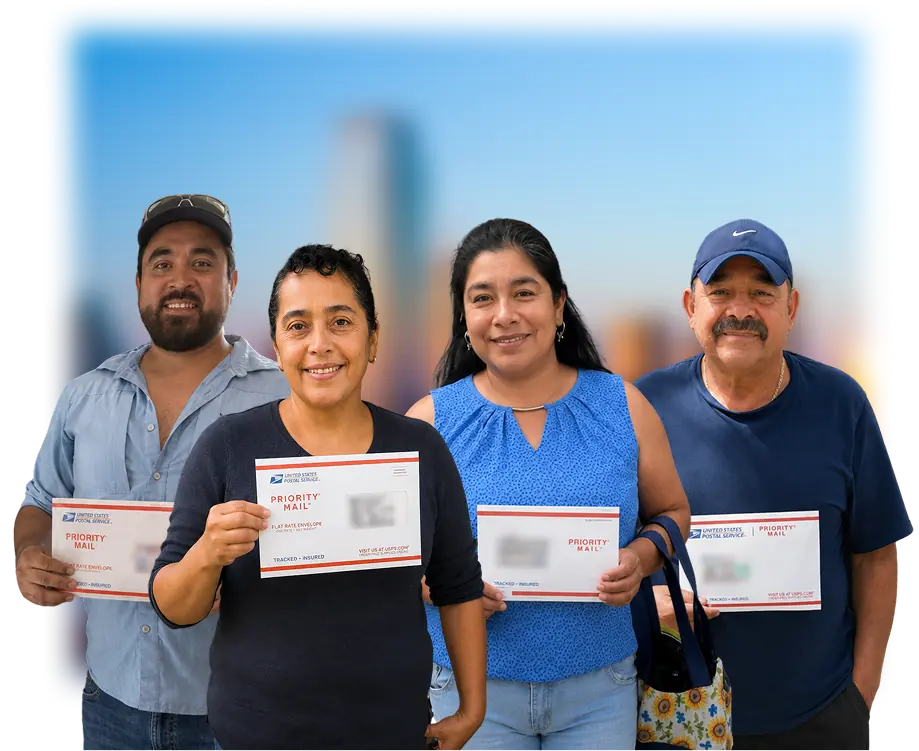
Dallas Immigration Attorneys Satified Clients

Dallas Immigration Attorneys

Dallas Immigration Attorneys represents families, workers, and businesses across North Texas in every type of immigration matter, from a first visa application to a final hearing in removal proceedings. Our bilingual team handles cases in English and Spanish for clients in Dallas, Oak Cliff, Pleasant Grove, Garland, Irving, Grand Prairie, Mesquite, and throughout the metroplex. Call or text (945) 202-5299 for a confidential evaluation.

Kate Lincoln-Goldfinch Dallas Immigration Lawyer

Why We Practice Immigration Law In Dallas

Immigration cases carry a weight that most legal work never approaches. Behind every file number is a mother waiting on a visa interview, a worker whose career depends on a stamp, a family calculating what happens if a hearing goes badly. We chose this field because those outcomes matter, and we chose Dallas because few American cities hold more of them.

More than 1.5 million residents of the Dallas-Fort Worth metroplex were born outside the United States, roughly one in five people in the region. They fill hospitals, build the housing, run restaurants, engineer software, and raise children who know no other home. Yet many of them face a legal system with no roadmap, conducted in a language they are still learning, where a single missed deadline can undo years of waiting.

Dallas Immigration Attorneys exists to stand between our clients and those consequences. We explain the law in plain English and plain Spanish, prepare every filing as if an officer will challenge it, and stay with our clients until the case is finished, however long that takes.

Kate Lincoln-Goldfinch
Founding Attorney

A Dallas Immigration Team Built For The Cases That Matter Most

Bilingual From The First Call To The Last Hearing

Language should never be the reason a case goes wrong. Every member of our team who touches your file works in both English and Spanish, so your story reaches your attorney exactly as you told it. You will never sit through a consultation waiting for a relative to translate, and nothing you say will be flattened or lost on its way into your legal strategy.

You Will Always Know Where Your Case Stands

Silence is the most common complaint people have about their former immigration lawyers. We run our practice against that pattern. You receive updates on a schedule, notices are explained the day we see them, and your questions get answers from a person who has actually read your file. When the government moves, you hear about it from us first.
Dallas Immigration Attorneys Standing By Families In TX
Checklist For Living Safely Living In The US As An Immigrant

Be Prepared

Your Family Should Have A Plan Before It Needs One

If immigration officers ever knock on a door in your household, everyone inside should already know their rights and their next steps. Get our Safety Planning Guide, Know Your Rights materials, and Red Cards, free and in both English and Spanish. Fill out the form below and we will send everything to your inbox, no consultation required and no obligation attached.


    Dallas Immigration Attorneys For Residency Cases

    Dallas Immigration Lawyers For Families, Workers & Those Facing Removal

    Every immigration case filed from Dallas eventually lands at a specific desk in a specific building. Interviews for green cards and citizenship happen at the USCIS Dallas Field Office at 6500 Campus Circle Drive East in Irving. Removal hearings take place before immigration judges at 1100 Commerce Street in the Earle Cabell Federal Building downtown, a short walk from the Akard and West End DART stations. Petitions travel through service centers with their own backlogs, and capped visa categories move only as fast as the State Department’s monthly Visa Bulletin allows. An immigration attorney in Dallas who works inside this system every week knows its rhythms, its paperwork habits, and its pressure points. That knowledge is what Dallas Immigration Attorneys puts behind every case we take. The sections below explain the main paths and problems we handle.

    What Our Clients Say

    Dallas TX Immigration Attorneys Happy Clients
    HOW DALLAS IMMIGRATION ATTORNEYS HANDLES EVERY CASE

    Promises We Make Before You Pay A Dollar.

    Every Consultation In English Or Spanish, No Interpreter Needed

    A Written Strategy & Line-Item Costs Before You Commit

    More Than One Attorney Reviews Every Filing

    Contact Us

    Get instant access to our Safety Planning Guide, Know Your Rights resources, and Red Cards—everything you need to stay informed and prepared to protect yourself and your loved ones.

      Disclaimer: Contacting us using the website’s forms and phone does not create an attorney-client relationship.

      Dallas Immigration Attorneys Blog

      • Adjustment Of Status
      • Asylum
      • Citizenship
      • Deportation
      • Employment Immigration
      • Family Immigration
      • Green Card
      • ICE Rights
      • Immigration
      • Immigration Appeals
      • Temporary Visas
      • VAWA

      Frequently Asked Questions

      USCIS schedules interviews and naturalization ceremonies for the Dallas area at its Dallas Field Office, 6500 Campus Circle Drive East, Irving, TX 75063. The office operates by appointment only and does not accept walk-ins; your appointment notice controls the date, time, and the documents you must bring. Biometrics happen separately at an Application Support Center, and that notice will list its own location. We prepare clients for the format and the questions before the day arrives.

      You can check any pending case yourself. Call the EOIR automated hotline at 1-800-898-7180 or search the online portal at acis.eoir.justice.gov using your nine-digit A-number. Hearings for the Dallas area are held at the Dallas Immigration Court inside the Earle Cabell Federal Building, 1100 Commerce Street, Suite 1060, near the Akard and West End DART stations. If you have moved, file Form EOIR-33 immediately, because notices sent to an old address still count as delivered, and missing a hearing can produce a removal order issued in your absence under INA § 240(b)(5).

      Use the ICE Online Detainee Locator at locator.ice.gov. Search by A-number, which must be nine digits, so add zeros at the front if yours is shorter, or by exact name plus country of birth. Many people detained in North Texas are held at the Prairieland Detention Center, 1209 Sunflower Lane, Alvarado, TX 76009, about 40 miles southwest of Dallas, and some are transferred to facilities farther away. Records can take time to appear after an arrest, so search again if nothing shows at first. Once you locate the person, an attorney can request a bond hearing. In detained cases, hours matter, so call us the same day.

      You do not have to open the door. Ask the officers to slide any warrant under it, and look at who signed it. A judicial warrant is signed by a judge and authorizes entry; an ICE administrative form, such as an I-200 or I-205, is signed by an immigration officer and does not authorize entry into your home without your consent. Everyone inside, regardless of status, has the right to remain silent and the right to decline to sign any document without speaking to a lawyer first. Stay calm, do not run, and do not present false documents.
      As of mid-2026, USCIS is accepting and processing DACA renewals, including the associated work permit, in all 50 states, Texas included. First-time requests can be submitted but a court order currently bars USCIS from granting them. The Fifth Circuit’s January 2025 decision found the program unlawful, limited its ruling to Texas, and separated protection from deportation from work authorization, and the district court has not yet issued the order that puts that decision into effect. Existing grants and work permits remain valid until the dates printed on them. If your DACA is current, renew early, within the 120-to-150-day window before expiration, and confirm the latest court status before filing, because this answer can change quickly.
      Marriage to a U.S. citizen makes you an immediate relative under INA § 201(b), so no visa queue applies, but the procedure depends on how you entered the country. If you were inspected and admitted, even on a visa that has since expired, you may qualify to adjust status inside the United States under INA § 245(a). If you entered without inspection, adjustment is generally unavailable, and the path usually runs through consular processing abroad with a provisional unlawful presence waiver, Form I-601A, approved before you depart. USCIS also scrutinizes whether the marriage is genuine, so evidence of your shared life matters as much as the forms. Get your entry history analyzed before filing anything.
      The current filing fee for Form N-400 is $760 on paper or $710 online under the USCIS fee schedule, Form G-1055. Applicants with household income under 400 percent of the Federal Poverty Guidelines can request a reduced fee of $380, and those at or below 150 percent, or receiving a means-tested benefit, can request a full waiver with Form I-912. Members and certain veterans of the military filing under INA §§ 328 or 329 pay no fee. Note that DHS proposed a rule in June 2026 that would raise the fee to $1,330 on paper and $1,280 online and eliminate the reduced fee and waiver options. The proposal is not final, but if you are eligible to naturalize now, filing sooner may cost considerably less.
      Two separate clocks apply. Trips of six months or more create a presumption that you broke the continuous residence that naturalization requires under INA § 316, which can restart your citizenship timeline. Trips of one year or more put the green card itself at risk of abandonment. If you know a long trip is coming, apply for a reentry permit on Form I-131 before you leave; it preserves your residence for trips up to two years, though it does not protect the naturalization clock. If you are already stuck abroad past a year, ask a consulate about the SB-1 returning resident visa, and talk to an attorney before attempting to reenter.
      No, and this mistake damages cases across Texas every year. In Latin America, a notario público is a legal professional; in the United States, a notary public is not, and Texas Government Code § 406.017 makes it illegal for a notary to use the title “notario” or suggest they can give legal advice. Only a licensed attorney or a Department of Justice accredited representative at a recognized organization may advise you or represent you before USCIS or the immigration court. Verify any lawyer through the State Bar of Texas website before paying, keep copies of everything filed for you, and if a notario has already harmed your case, bring the paperwork to a licensed attorney; some of the damage can be repaired if caught early.
      Yes. Attorney-client confidentiality protects what you tell us regardless of your status, and consulting a lawyer is not reported to immigration authorities. You can speak openly about how you entered, how long you have been here, and what you fear, and you should, because advice built on partial facts can hurt you. A confidential evaluation tells you where you stand, what relief may exist, and what to avoid. Nothing about asking questions puts you at greater risk than staying silent does.
      Contact Us
      Helpful Resources
      Pay With Lawpay Dallas Immigration Lawyers
      Copyright © 2026 Dallas Immigration Attorneys. All Rights Reserved.